

 Growth at its cyclical peak
- Productivity is the key to income convergence in the Baltics
- Sustainable development – where do we stand?
- Universal basic income – utopia or an urgent necessity?
Growth at its cyclical peak
The upswing in global growth has lifted the Baltic See region’s economies to their cyclical peaks. Growth will slow, but there are at least a few good years of strong growth down the road. Geopolitics and a resurgence of populism are the key risks. Strong growth is the time to reform, correct for imbalances, and invest in boosting long-term growth potential. In Sweden, housing market adjustment is in focus, while labour market tightening remains the hotspot in the Baltics.
The Baltic economies – productivity is the key to income convergence
All the Baltic countries have recovered from the recession and narrowed the relative income per capita gaps with the EU. Lithuania has been the front-runner and surpassed Estonia, benefitting from slower price convergence and a more pronounced population decline since the bottom of the recession. However, the effect from these factors is likely transitory. In the medium term, in addition to brain drain, the population decline will trigger employment reduction, negatively affecting economic activity. The relative price levels, adjusted for purchasing power, will start growing faster (already happening in 2017), slowing the pace of real income per capita convergence. The key to successful income convergence is productivity growth and structural improvements to the economy.
Sustainable development in the Baltics and Sweden – where do we stand?
There is an increased focus globally on sustainable development and the UN 2030 Agenda. Sweden scores better than the Baltic countries with regard to sustainability principles (i.e., environmental, social, and governance indicators); however, policy makers and companies in both Sweden and the Baltics have to do their homework to promote robust, socially inclusive, and environmentally friendly growth in the medium term and to contribute better to the UN Sustainable Development Goals.
Universal basic income – utopia or an urgent necessity?
The idea of universal basic income, or unconditional cash payments for all citizens or residents of a specific country was first expressed by Thomas More and almost implemented by Richard Nixon in the US in 1968. This idea has recently grown in popularity worldwide. In an EU-wide survey from 2016, 64% of respondents supported the idea, while Finland started experimenting with its implementation this year. The discussions on universal basic income are picking up steam also in the Baltics. We shed light on the pros and cons of UBI and conclude that full implementation of it in the Baltics is unaffordable, but elements of it can improve social inclusion and the efficiency of existing social security systems.

 Pärnumaa elanikel on hea aeg vahetada korter maja vastu, vana maja uue vastu või leida meelepärane krunt ning ehitada kodu kõigi oma soovide järgi.
 Nordecon AS ja Capital Mill OÜ sõlmisid lepingu Saue linna Kuuseheki 50 A-klassi energiamärgisega 48 korteriga kortermaja ehitamiseks. Vaivundamendil maja on 3-korruseline, hoone brutopind on kokku 4 155 m² ja netopind 3 500 m².
 Seoses AS Merko Ehitus kontserni Eesti ettevõtete äritegevuse efektiivsemaks muutmise ja struktuuri korrastamisega:
 Koolitus “
 Üürikorterite pakkumine suureneb jõudsalt. See on mõttekoht väikeinvestoritele, kas järgmine ostuotsus ellu viia. Pakkumise kasvu tõttu ei tasuks liialt loota üürihindade senises tempos kerkimisele, hoiatab portaali KV.EE juhataja Tarvo Teslon.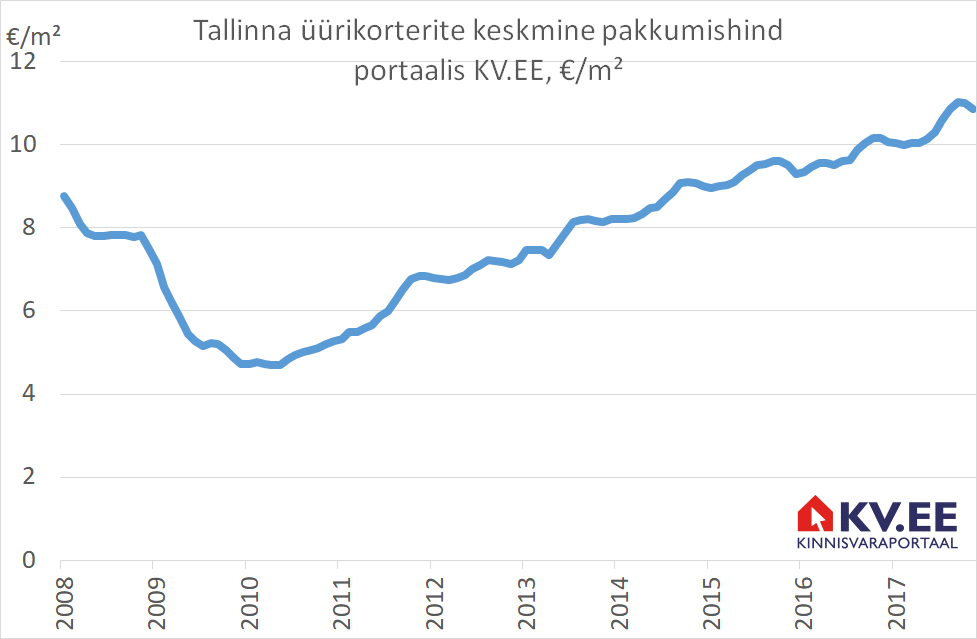
 2017 III kvartali uute eluasemelaenude käive oli 318 miljonit eurot. Aastataguse ajaga võrreldes, mil laene väljastati 279 miljoni euro väärtuses, suurenes laenukäive 14%.




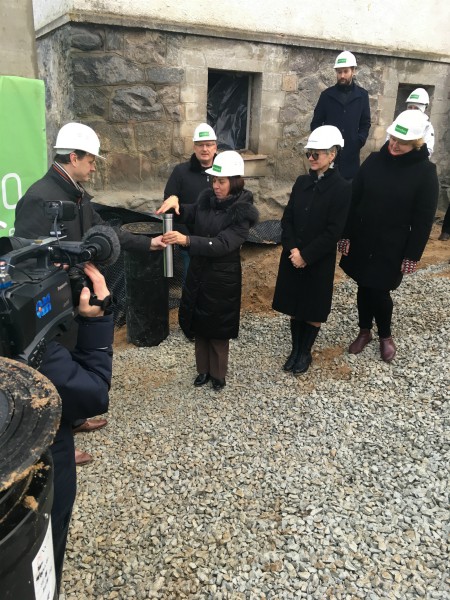
 Täna, 4. detsembril asetasid haridus- ja teadusminister Mailis Reps, Ehitus5ECO OÜ juhatuse liige Andres Neemre, Rapla riigigümnaasiumi direktor Sirje Kautsaar, Rapla vallavanem Piret Minn ja Riigi Kinnisvara ASi (RKAS) juhatuse esimees Kati Kusmin pidulikult nurgakivi Rapla tulevasele riigigümnaasiumi hoonele, mis valmib 2018. aasta sügisel.
 Haridus- ja teadusminister Mailis Reps
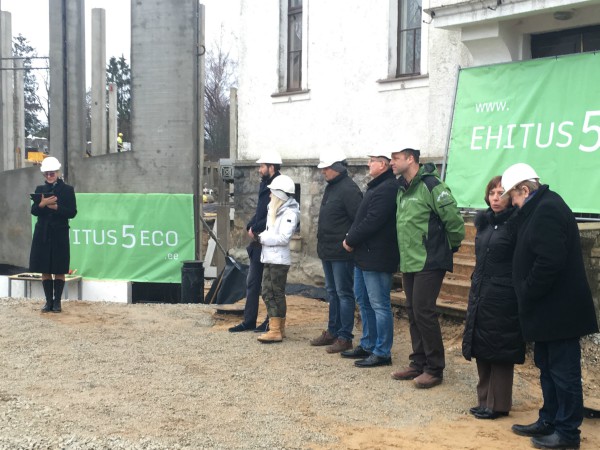 RKASi juhatuse esimees Kati Kusmin
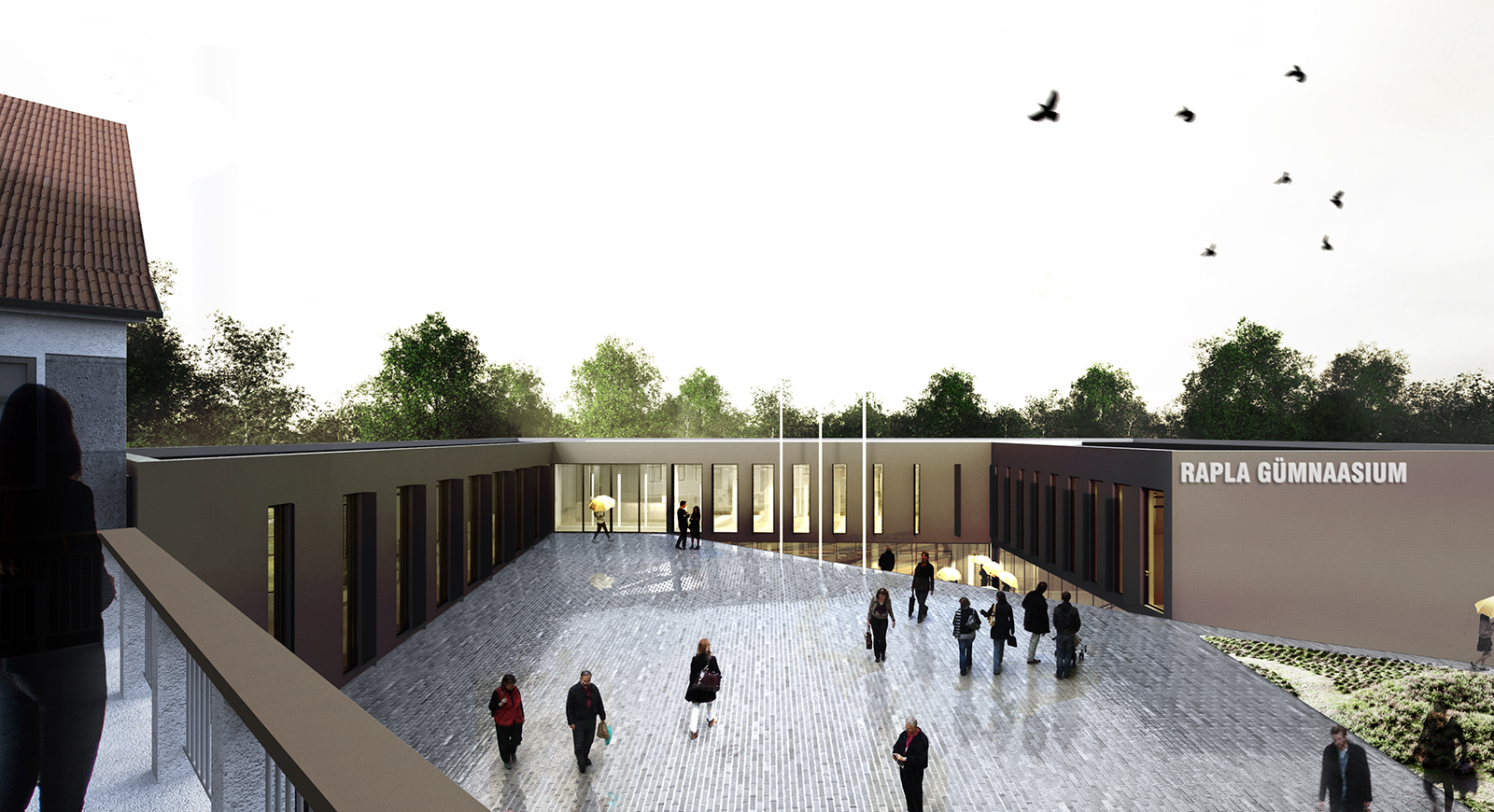 Rapla tulevase riigigümnaasiumi eskiis
 Tallinna Linnaplaneerimise Ameti juhtkond arutas Eesti Ehituskonsultatsiooniettevõtete Liidu (EKEL) esindajatega nii ameti tegevuse positiivseid muutusi kui ka Tallinna linnaplaneerimise ja ehituse kitsaskohti. Liidu esindajad märkisid, et Linnaplaneerimise Ameti sisemise sünergia kasv on märgatav ning tunnustasid menetlusprotsesside tuntavat kvaliteedi paranemist võrreldes varasemate aastatega.

 Võlad, kaasomandi kahjustamine, lärmakad peod ja ühistu sisekorrareeglitele sülitamine: taolised korteriomanikud on mõruks pilliks igas korteriühistus. Ent kas sellisel juhul võivad naabrid nõuda korteri võõrandamist?
 Probleem selles, et KÜ vana juhatus keeldub KÜ-ga seotud dokumentatsiooni üle andmast. Uus juhatus astus ametisse ligi pool aastat tagasi, ning vanad olijad lubasid dokumentatsiooni kokku korjata ja üle anda. Nüüd hakati vastu, et nemad ei pea midagi andma. Kuidas oleks minul, kui uue juhatuse ühel liikmel, kõige korrektsem dokumentatsiooni nõuda?
 30. novembril 2017 kell 15:00 (Kesk-Euroopa aja järgi) lõppes Baltic Horizon Fund (Fond) täiendavate osakute avalik pakkumine. Kokku märgiti 12,784,768 uut osakut (Uued Osakud), mis vastab brutosummas 16,960,273.23 eurole.